

Refinancing an Investment Property in 2026: Conventional and DSCR Options Explained for Investors
By Ryan McCallister, F5 Mortgage
Refinancing an investment property is a strategic move that can significantly impact financial growth and overall strategy for real estate investors. In 2026, both Conventional and Debt Service Coverage Ratio (DSCR) loan options present unique advantages and challenges. Understanding these differences helps investors make informed decisions about property financing and investment potential. With evolving market conditions and interest rates, recognizing which loan type aligns with financial goals becomes essential. This article will explore the distinctions between Conventional and DSCR loan options, their respective requirements, benefits, and the vital steps in the refinancing process specifically designed for real estate investors in 2026.
Differences Between Conventional and Debt Service Coverage Ratio (DSCR) Loan Options for Refinancing an Investment Property
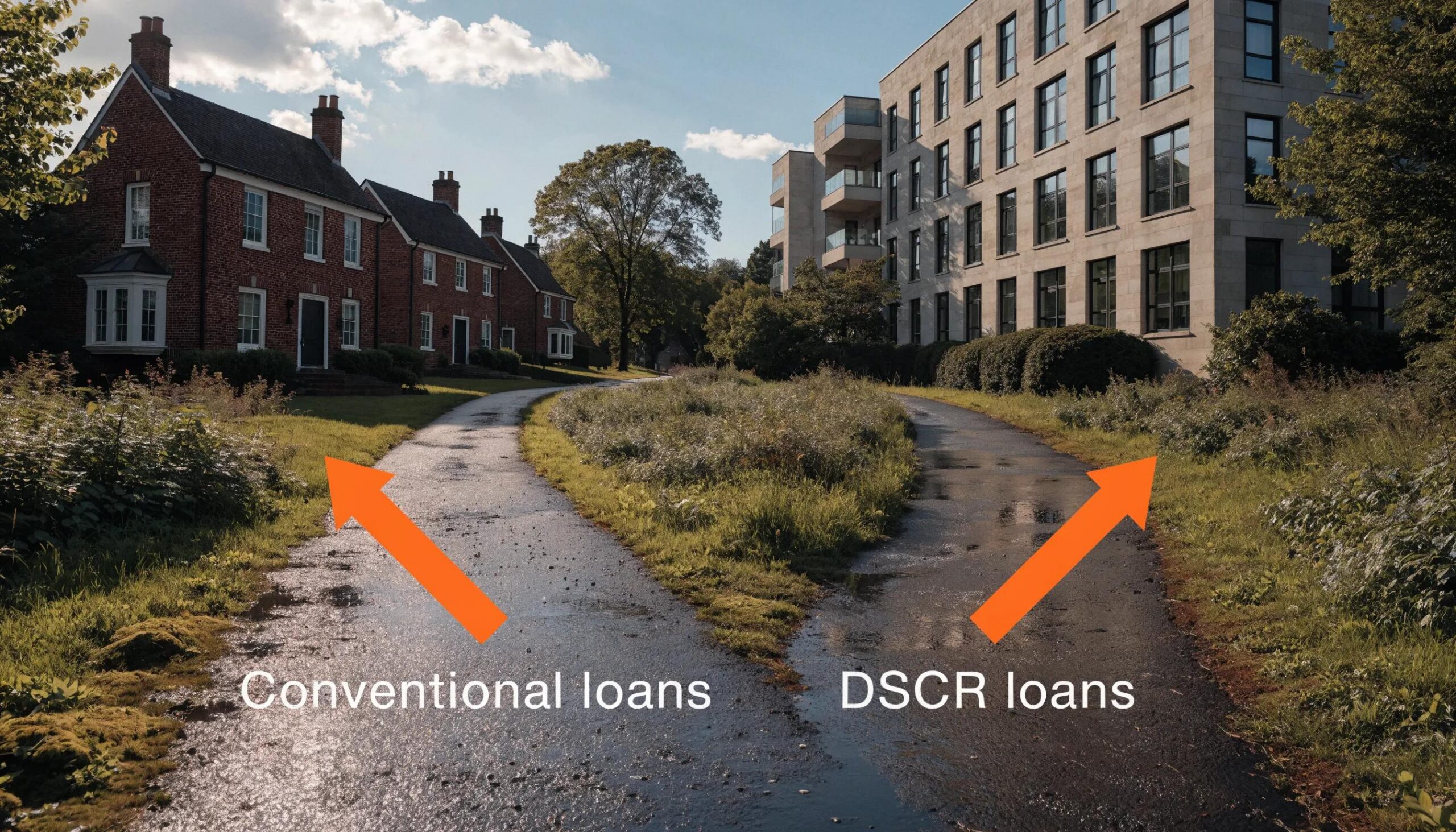
Understanding the distinctions between Conventional loans and Debt Service Coverage Ratio (DSCR) loans is paramount for investors seeking refinancing options. Conventional loans traditionally rely heavily on the borrower’s creditworthiness and personal income levels, whereas DSCR loans focus on the cash flow generated by the property itself. This means that investors with properties showing strong revenue streams may benefit from more accessible financing options under DSCR terms. Given the different requirements, assessing which option aligns with a property’s performance is critical for maximizing refinancing benefits.
Key Requirements:
When considering refinancing for investment properties, it’s crucial to examine the key requirements for both Conventional and DSCR loans. This evaluation helps to identify the most suitable financing method:
- Conventional Loans: These typically require a strong credit score, a stable income history, and a lower debt-to-income ratio. The minimum credit score needed usually hovers around 620.
- DSCR Loans: The focus here is on the property’s income generation. Investors generally need to demonstrate that the rental income is sufficient to cover the loan payments, with a minimum DSCR ratio often set at 1.0, meaning income must match the debt service obligations.
Understanding these key requirements assists investors in preparing necessary documentation for financing and ensures compliance with lender expectations.
Benefits for Investors:
Both loan types offer distinct benefits appealing to different investor profiles. Here’s how each helps in optimizing investment strategies:
- Conventional Loans: They often feature lower interest rates compared to DSCR options, making them more attractive for investors with a solid credit history. Moreover, these loans may allow for the refinance of multiple properties.
- DSCR Loans: They present a more accessible route for self-employed investors who may not have traditional income verification processes, enabling easier refinancing based on property cash flow rather than personal income levels. This option can also facilitate quicker access to funds without extensive documentation.
Highlighting these benefits guides investors in selecting the right refinancing path that aligns with their financial capabilities and property performance.
Minimum Requirements for DSCR Loans:
For investors interested in DSCR loans, knowing the minimum requirements is essential. These loans prioritize the cash flow of the rental properties:
- DSCR Threshold: A minimum ratio of 1.0 is required, indicating the property generates enough income to cover the loan payments.
- Documentation: Investors must provide proof of income generated from rental properties, which serves to establish their capabilities in fulfilling loan obligations.
- Credit Score: While not as stringent as Conventional loans, a credit score of at least 620 is often advisable to secure favorable loan terms.
Understanding these minimum requirements helps potential borrowers gauge their eligibility and prepare the necessary documentation for the loan application.
What Are Conventional and DSCR Loans for Investment Property Refinancing in 2026?
Conventional and DSCR loans remain two prominent financing options for real estate investors in 2026, each catering to different financial backgrounds and investment strategies.
Definitions:
Conventional loans are those provided by private lenders that follow the guidelines set by government-sponsored entities like Fannie Mae or Freddie Mac. These loans are typically used for various property types and rely on the borrower’s creditworthiness, income verification, and other financial metrics. In contrast, DSCR loans are designed to assess a borrower’s ability to repay the loan based on the income generated from the investment property alone, which allows investors who may not qualify under traditional standards to access essential financing.
Differences:
The fundamental difference lies in the criteria for approval. Conventional loans are based on the borrower’s overall financial portfolio, requiring higher credit scores and more detailed income documentation. Meanwhile, DSCR loans streamline the process by evaluating the financial stability of the property rather than the borrower’s personal financial situation, offering a path for those who may face challenges qualifying for Conventional loans.
Eligibility Criteria:
In 2026, eligibility for these loans involves varying criteria:
- Conventional Loans: Require strong credit scores (usually 620 or higher), sufficient income verification, and a thorough assessment of the borrower’s overall financial health.
- DSCR Loans: Focus on the rental income relative to the debt service with less emphasis on the borrower’s creditworthiness. Investors are often expected to meet a minimum DSCR requirement while showcasing property cash flow stability.
How Do Conventional Refinance Loans Work for Rental Properties?
Conventional refinance loans provide a structured approach for investors to leverage their existing property equity or reduced interest rates.
Eligibility Criteria:
To qualify for a Conventional refinance, investors must demonstrate a solid credit score, typically needing to meet or exceed 620, along with proof of steady income sufficient to cover the loan’s repayments.
Application Process:
The application process involves several steps, including gathering financial documentation, submitting a formal application to the lender, and undergoing property appraisal to confirm current market value.
Potential Benefits:
Investors benefit from potentially lower interest rates and flexible terms of repayment in Conventional refinance loans. This can lead to reduced monthly payments, freeing up cash flow for additional investments.
Limitations:
However, high credit score requirements and strict income documentation can pose challenges for some investors, particularly those who may not fit conventional financial profiles, such as self-employed individuals.
What Is a DSCR Loan and How Does It Benefit Real Estate Investors?
A Debt Service Coverage Ratio (DSCR) loan serves as an alternative financing solution aimed at landlords and property investors who possess rental properties that generate steady income.
Benefits of DSCR Loans for Real Estate Investors:
DSCR loans offer several advantages, particularly for investors seeking flexibility and easier access to capital:
- Cash Flow Focus: DSCR loans emphasize the property’s capacity to generate income rather than the borrower’s income level, simplifying qualification for self-employed investors.
- Less Documentation Required: The approach requires minimal personal financial disclosure, easing the burden of extensive paperwork for borrowers.
- Faster Approval: With a streamlined evaluation process, DSCR loans often result in quicker financing solutions for time-sensitive investment opportunities.
What Are the Key Requirements to Qualify for DSCR and Conventional Loans in 2026?
Understanding the key requirements for refinancing options is crucial for successful applications, allowing investors to streamline their financing process.
What Are the Minimum DSCR Loan Requirements for Investment Property Refinancing?
Minimum requirements for DSCR loans typically involve specific financial ratios and documentation related to income generated from properties owned.
How Do Self-Employed Borrowers Qualify for Investment Property Loans?
Self-employed borrowers face unique challenges when applying for investment property loans, but certain steps can facilitate qualification.
Conventional Loans:
For conventional loans, self-employed individuals must provide tax returns, profit and loss statements, and other documentation that substantiates income levels over previous years.
DSCR Loans:
Conversely, DSCR loans significantly ease the qualification process for self-employed borrowers as they require focus on rental income generated, without necessitating extensive proof of personal income.
How to Navigate the Step-by-Step Refinancing Process for Investment Properties in 2026?
Navigating the refinancing process can seem overwhelming, but understanding the essential steps can ensure a smoother experience for investors.
What Are the Essential Steps to Apply for a Conventional Refinance Loan?
Essential steps involve gathering necessary financial documentation, reaching out to lenders for quotes, submitting a loan application, and finalizing loan terms based on property appraisal outcomes.
How Does the DSCR Refinance Application Process Differ for Investors?
The DSCR application process streamlines the paperwork largely focusing on property income rather than the borrower’s personal financial status. This often reduces overall processing times and mitigates the influence of credit score implications during approval.
What Financial Benefits and Risks Should Investors Consider When Refinancing Investment Properties?
Investors should weigh both financial benefits and potential risks associated with refinancing decisions to ensure a well-rounded approach.
Conventional Loans
The benefits include lower interest rates and potentially reduced monthly payments. However, the risks involve stringent underwriting processes, which may disqualify some self-employed borrowers.
DSCR Loans
DSCR loans provide more accessibility for self-employed investors, which is a significant benefit. The risks associated include potentially higher interest rates and limited lender options, which should be considered.
How Does Refinancing Affect Rental Property Cash Flow and Investment Returns?
Refinancing can significantly impact an investor’s cash flow and returns by lowering monthly payment obligations or unlocking equity for further investment opportunities.
What Are the Potential Risks in Choosing Conventional vs. DSCR Refinance Options?
Investors should consider the potential risks associated with both options, weighing benefits against the unique requirements each presents. Understanding personal financial situations versus property performance creates an informed perspective on which loan type may best serve their objectives.
What Are the Latest 2026 Mortgage Rate Trends and Real Estate Financing Options for Investors?
The mortgage rate landscape in 2026 exhibits fluctuations amidst economic changes, directly affecting refinancing decisions for property owners.
How Are 2026 Investment Property Mortgage Rates Impacting Refinancing Decisions?
Current market conditions reflect competitive rates that can significantly influence refinancing strategies for investors, dictating the timing and types of loans they may pursue. Mortgage rates are dynamic and can shift based on economic indicators, affecting overall borrowing costs.
Which Alternative Financing Options Are Available Besides Conventional and DSCR Loans?
Alternative financing options, including private money lending or hard money loans, may appeal to investors seeking faster access to capital without the same qualification hurdles.
Where Can Self-Employed Borrowers Find Specialized Support for Investment Property Refinancing?
Self-employed borrowers often need tailored solutions for investment property refinancing due to unique challenges they face in documentation and qualifying criteria. Identifying lenders who understand the self-employed landscape can provide much-needed guidance.
What Unique Challenges Do Self-Employed Investors Face in Mortgage Qualification?

The primary challenges include providing adequate proof of income, which can differ significantly from traditionally employed borrowers. These hurdles can complicate the refinancing process but can be alleviated with focused lender support.
How Does F5 Mortgage LLC Assist Self-Employed Borrowers with DSCR and Conventional Loans?
F5 Mortgage LLC specializes in providing tailored financing solutions for self-employed borrowers seeking DSCR and Conventional loans, ensuring that all unique financial backgrounds are accommodated in the refinancing process. Their expertise helps streamline the qualification process, offering guidance tailored to individual investment property scenarios and financing needs.
Disclaimer: All loans are subject to credit approval and underwriting. Loan availability depends on borrower qualifications, property type, and program guidelines. F5 Mortgage LLC is a licensed mortgage broker, NMLS #1938115, serving California, Colorado, Florida, Georgia, Michigan, Ohio, Pennsylvania, South Carolina, Texas, and Virginia. Equal Housing Opportunity. This article is for educational purposes only and is not financial, legal, or tax advice; consult a licensed professional.